Home About Us Mission & Vision Programs & Environments Blogs FAQ's Admissions Careers Contact Us


Programs and Environments


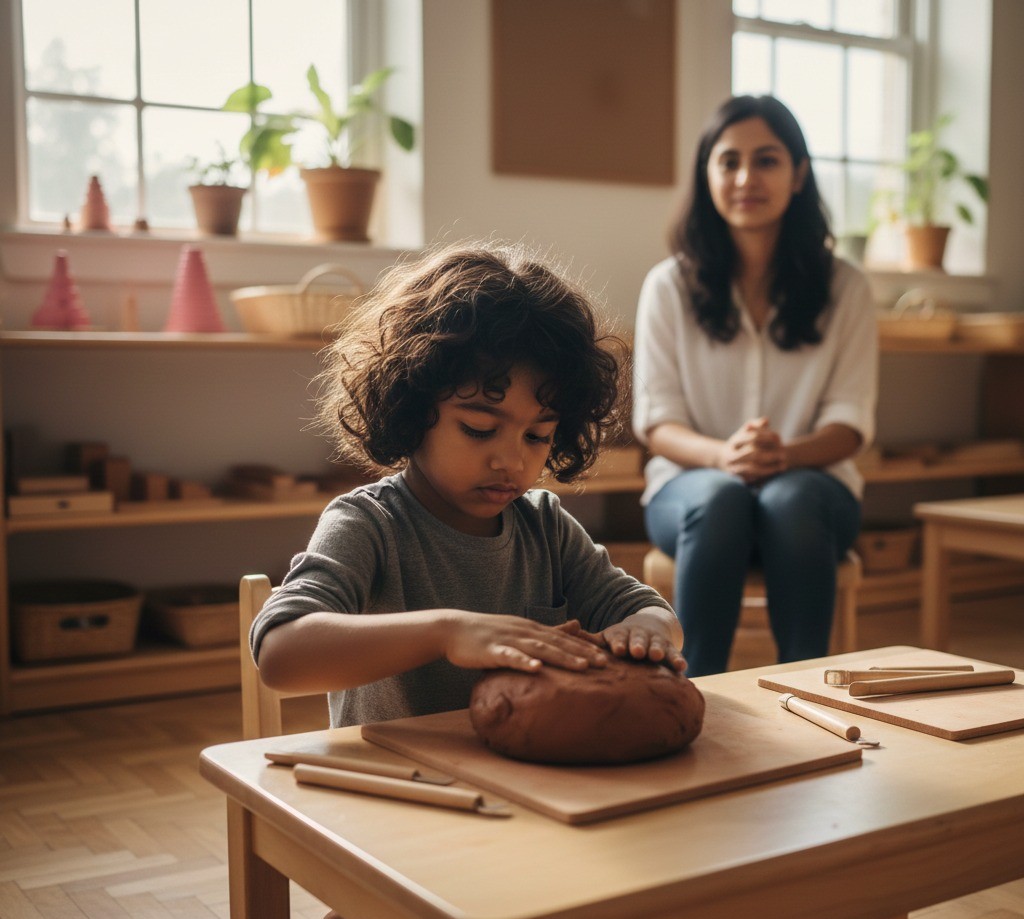
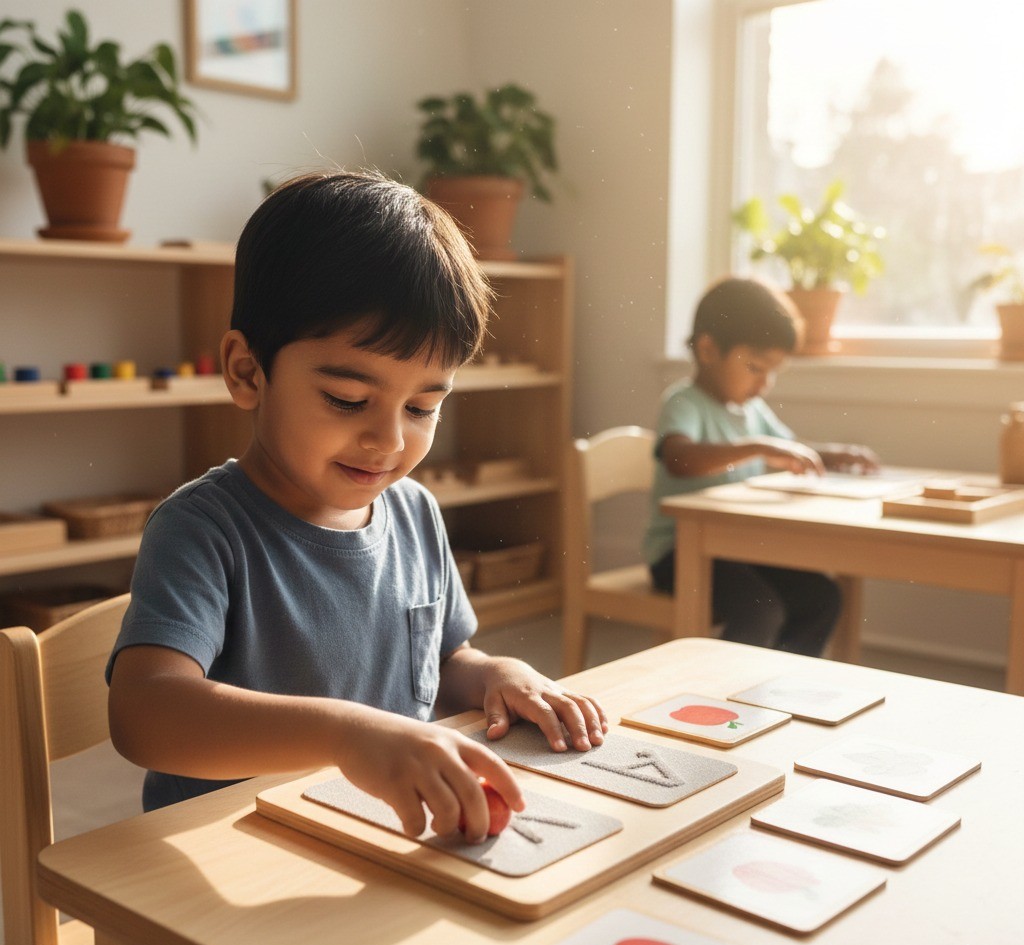
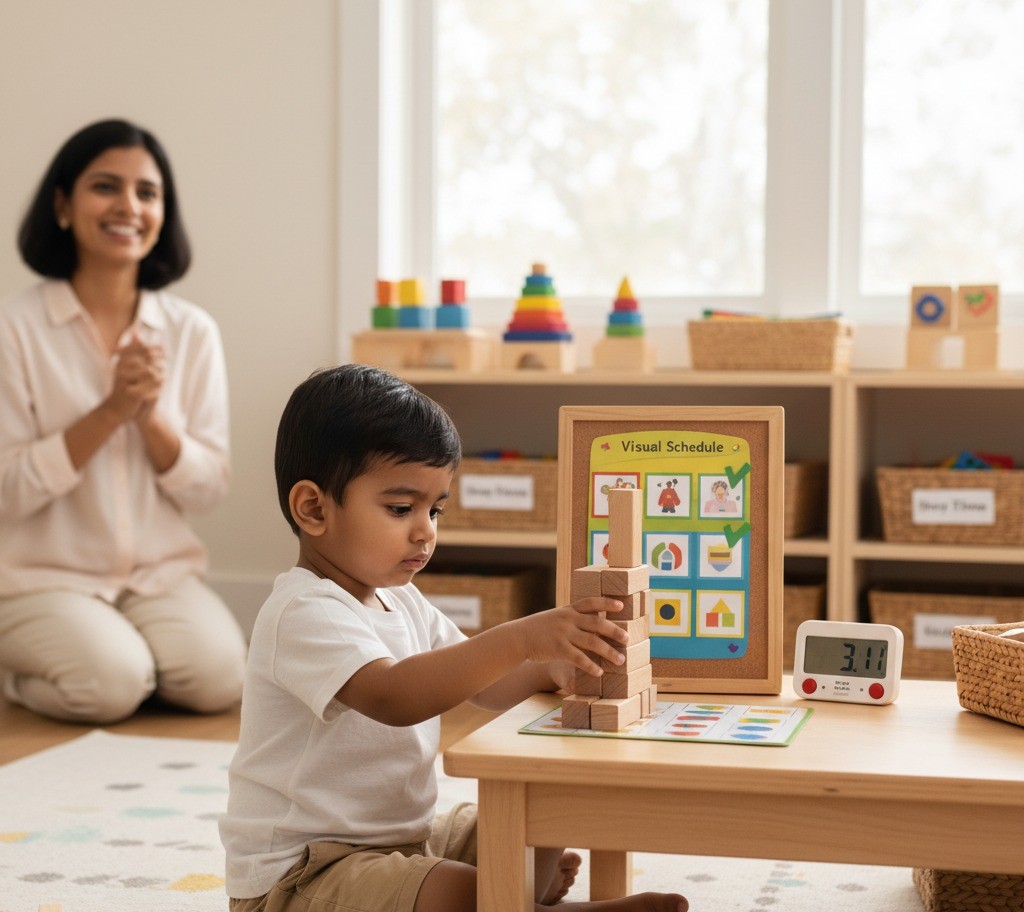
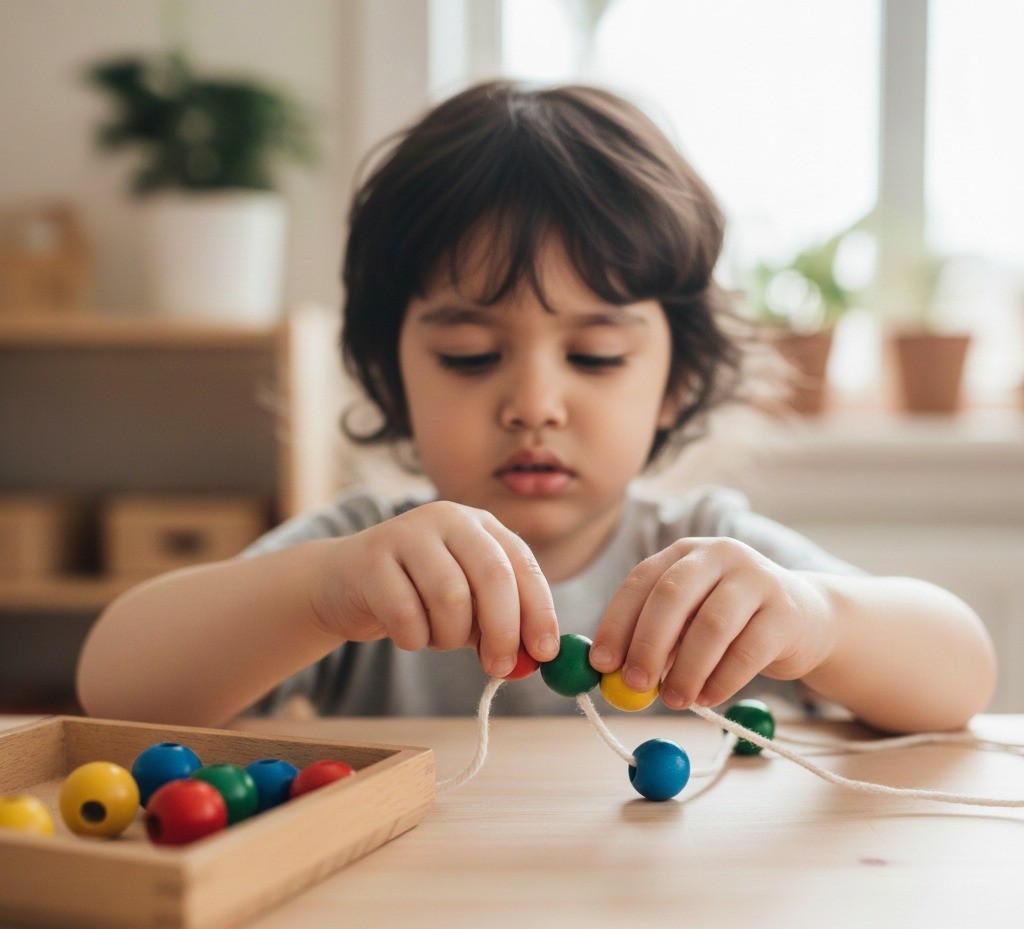
At NIDO, each of our classrooms is a carefully 'prepared environment' designed to meet the specific developmental needs of children within distinct age ranges. Our beautiful spaces encourage freedom of movement, exploration, and hands-on learning with authentic Montessori materials.

Toddler Community

Toddler Community (Ages 14 months – 2.9 years)

1. Physical & Coordination Development: These activities build strength, dexterity, and purposeful movement.


  • Movement & Motor Skills: Enhancing both Gross Motor Skills (like walking, running, and climbing) and Fine Motor Skills (such as grasping, manipulating objects, and developing the pincer grip).
  • Precision & Control: Developing Eye-Hand Coordination through tasks like stacking, pouring, and fitting shapes.
  • Freedom of Movement: Fostering the Development of Natural Movement by providing opportunities for exploration and practice in a safe environment.


2. Cognitive & Sensorial Learning: Focusing on the ways children explore the world, concentrate, and make choices.

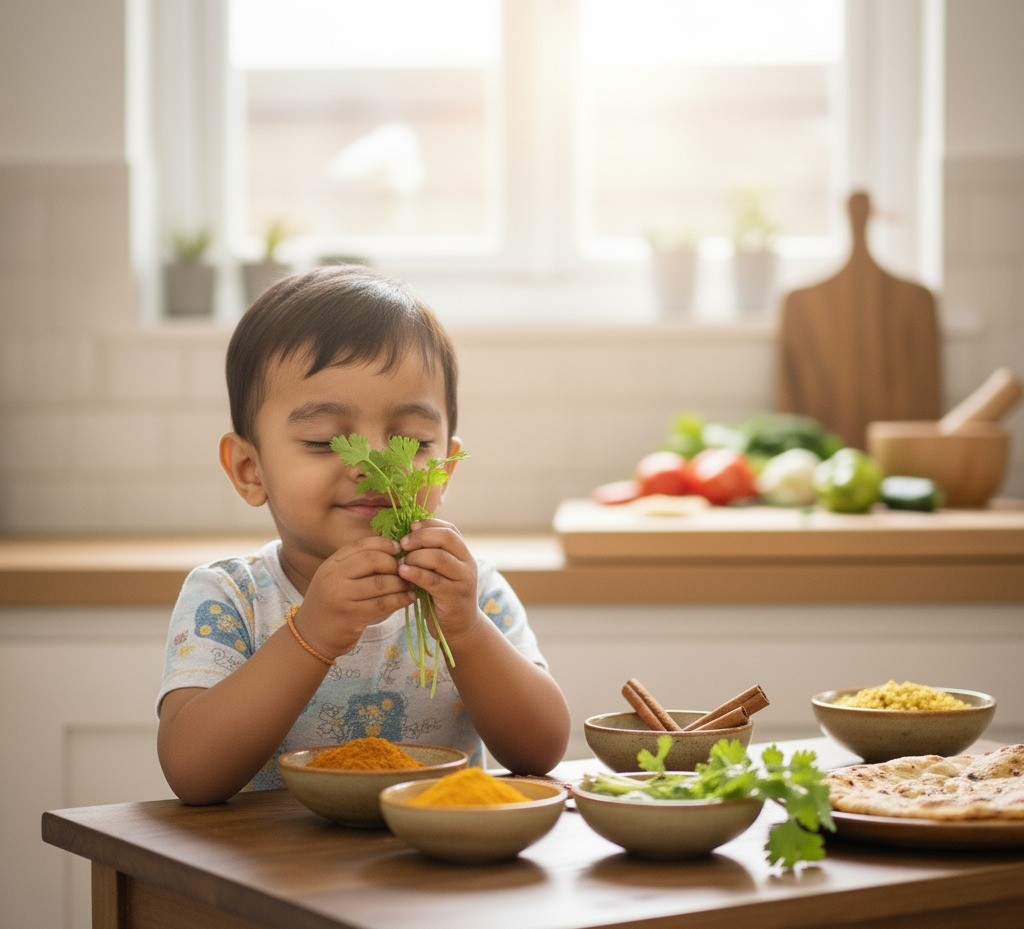
  • Sensorial Exploration: Engaging the five senses with hands-on activities that encourage curiosity and a deeper understanding of the environment (e.g., textures, sounds, and smells).
  • Focus & Attention: Building Concentration skills through sustained, self-directed work on engaging activities..
  • Empowered Decision Making: Practicing early Decision Making by offering meaningful choices and respecting the child's autonomy, which builds confidence and independence.


3. Language, Social & Creative Growth: Cultivating communication, emotional intelligence, and self-expression.

  • Communication & Literacy: Strengthening Language Development through rich vocabulary, conversation, and Story Telling.
  • Social-Emotional Learning (SEL): Developing Social and Emotional Learning skills, including empathy, self-regulation, sharing, and understanding group dynamics.
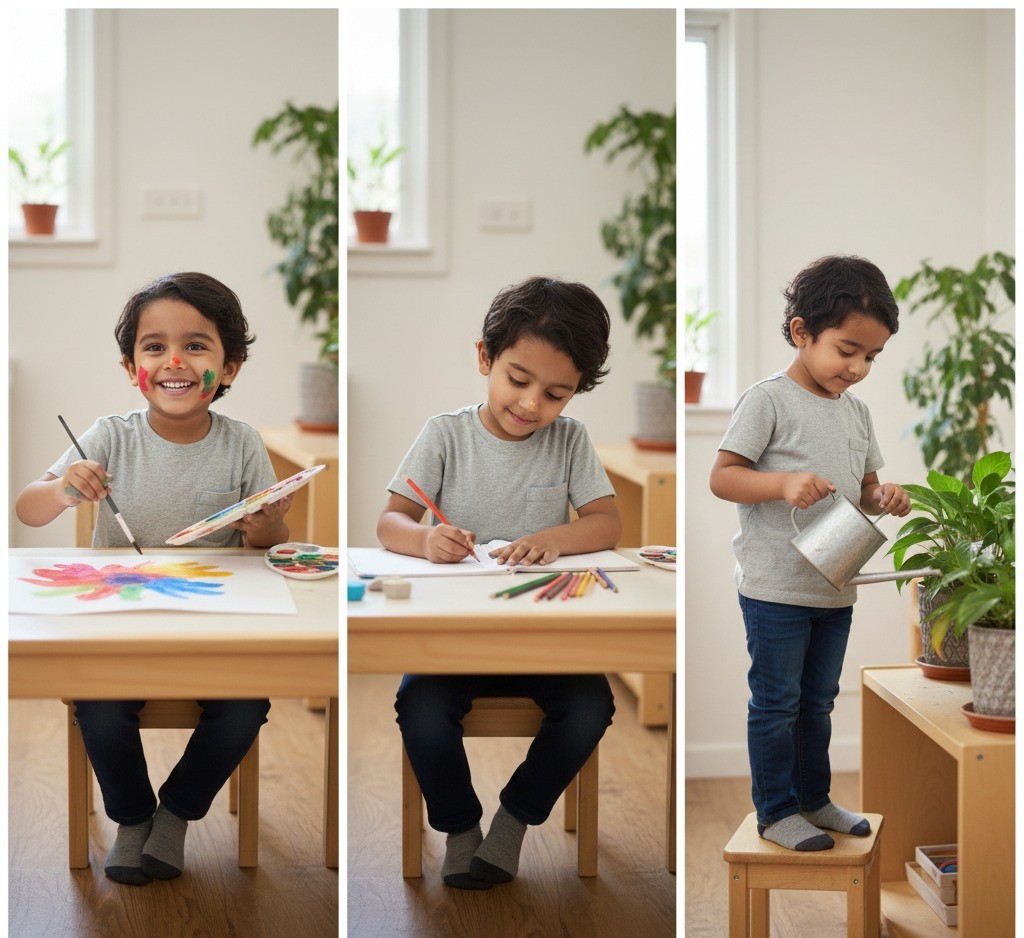
  • Creative Expression: Introducing foundational experiences in Art (e.g., coloring, painting) and Music (e.g., singing, movement, simple instruments).


4. Practical Life & Independence: Skills that build independence and routine.

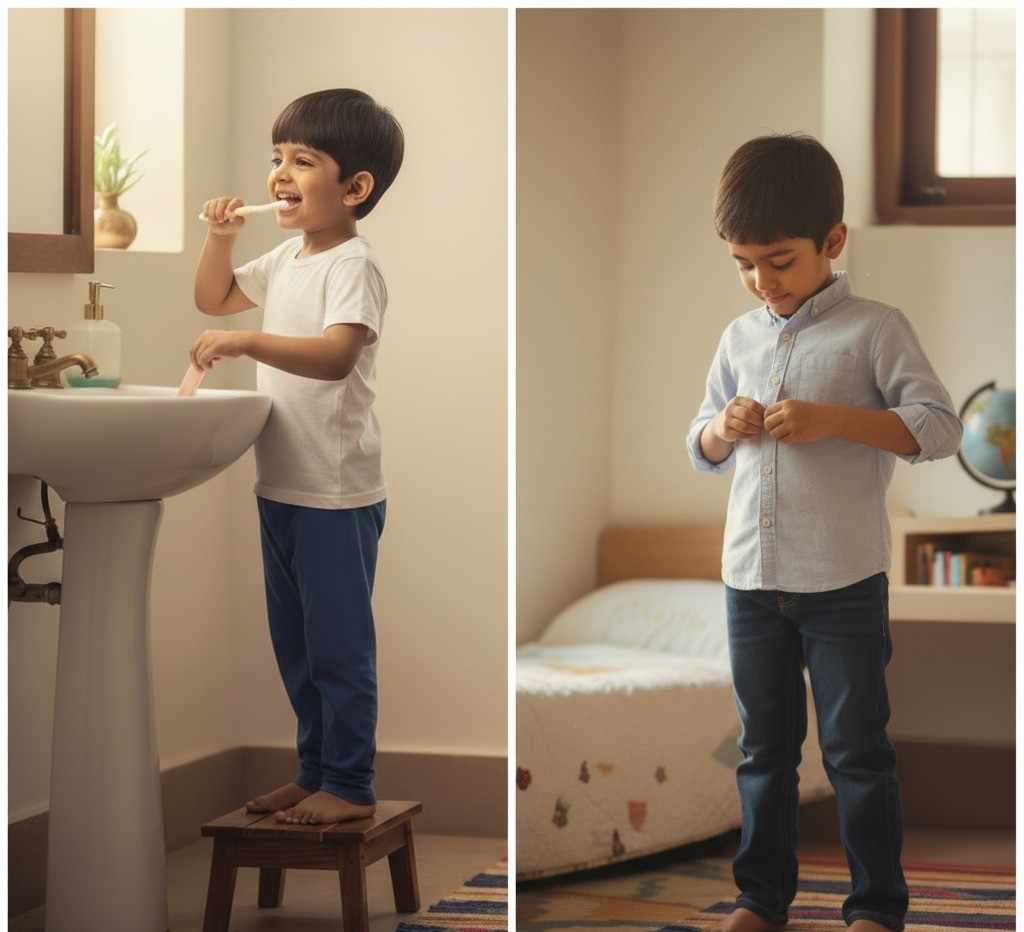
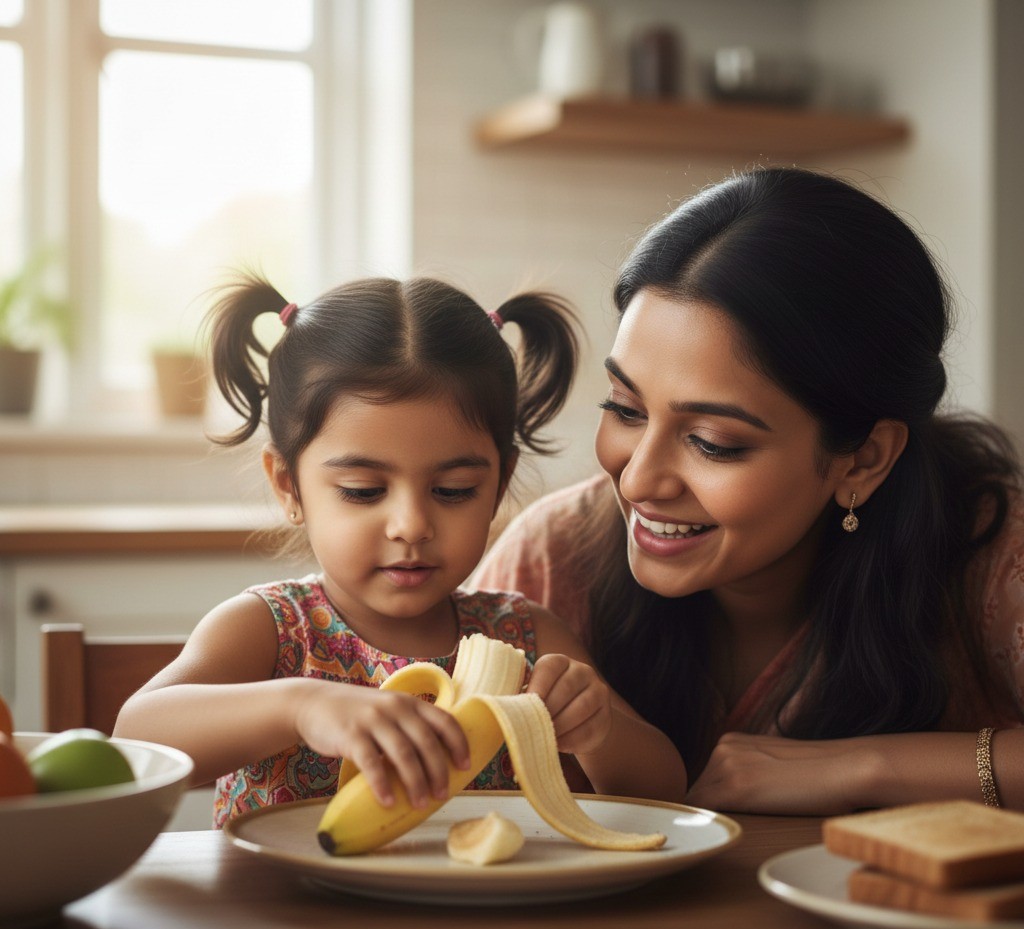
  • Practical Independence: Supporting the journey toward self-sufficiency with Toilet Training and other practical life skills like dressing, washing hands, and preparing simple snacks.
Primary Classroom

Primary Classroom (Ages 2.6 - 6 years)

In our Primary environment, the world opens up. Children transition from the "how-to" of the toddler years to the "why" and "what" of the world. This mixed-age setting allows younger children to learn from their peers and older children to solidify their knowledge by becoming mentors.


1. Practical Life: The Foundation of Success

While it looks like "housework," these activities are the secret to academic focus.


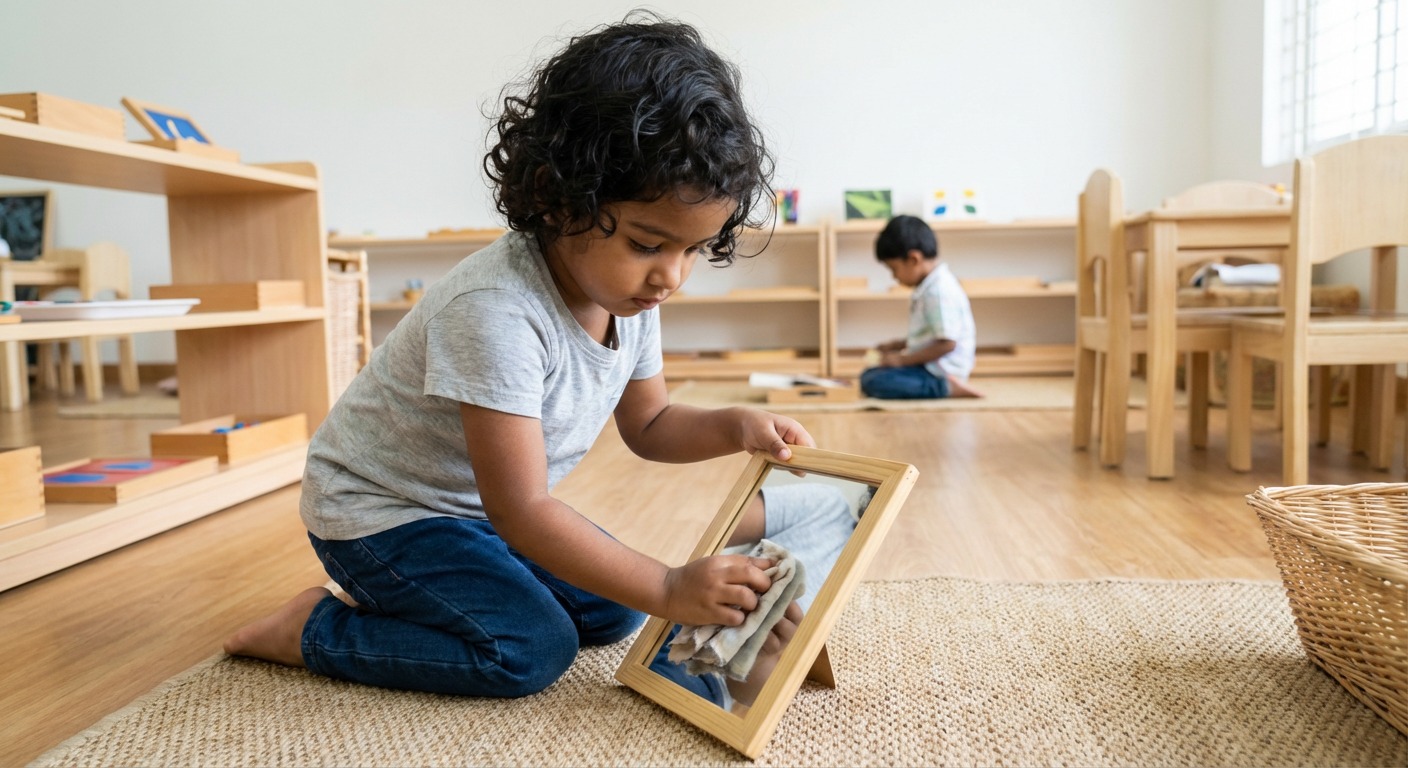
  • Refining Coordination: Tasks like pouring, sweeping, and polishing develop the "pincer grip" and hand-strength necessary for writing.
  • Executive Function: Following a multi-step process (getting a tray, setting up, performing the task, cleaning up) builds the logical thinking required for complex math later.
  • Grace and Courtesy: Children learn the social "mechanics" of life—how to introduce themselves, resolve a conflict with a peer, and care for their community.


2. Sensorial: Organizing the World

Children use scientifically designed materials to categorize their surroundings.


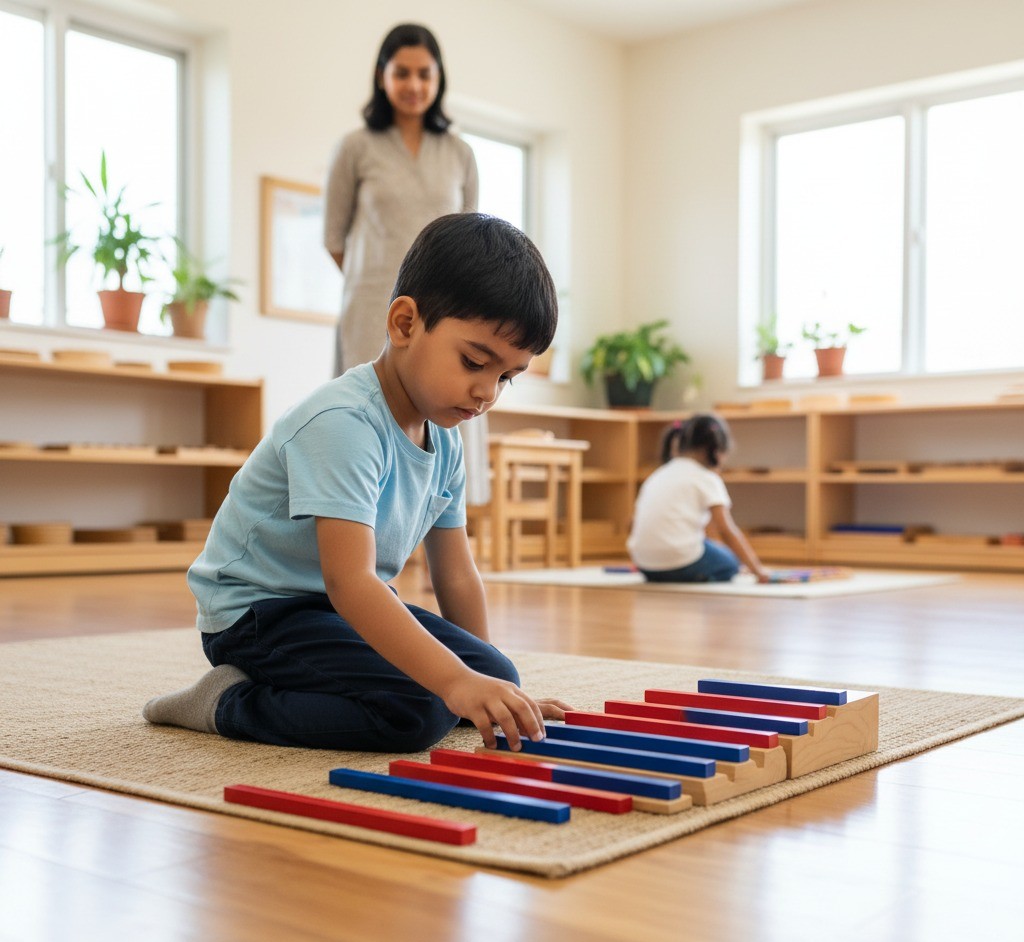
  • Abstract to Concrete: By handling the Pink Tower or Broad Stair, children physically "feel" the difference in dimensions, preparing their brains for geometry.
  • Refining the Senses: Activities focus on grading colors, matching sounds, and identifying textures, which heightens observation skills and scientific inquiry.


3. Mathematics: From Quantity to Symbols

In Montessori, math isn't on a worksheet; it's in the child's hands.


  • The Decimal System: Using the Golden Bead material, a 4-year-old can physically hold a "unit" and a "thousand" cube, understanding the literal weight and volume of numbers.
  • Operations: Children perform addition, subtraction, multiplication, and division using tangible tools, ensuring they understand the concept before they ever see a symbol on paper.


4. Language: The Writing Explosion

We follow the natural developmental path: Listening → Speaking → Writing → Reading.


  • Phonetic Awareness: Using Sandpaper Letters, children learn the sounds of the alphabet through touch and sight simultaneously.
  • The Moveable Alphabet: Before a child has the fine motor control to hold a pencil perfectly, they can "write" stories by laying out wooden letters, ensuring their creativity isn't held back by their physical development.
  • Total Reading: Our environment is rich in high-quality literature and vocabulary cards, turning reading into a joyful discovery rather than a chore.


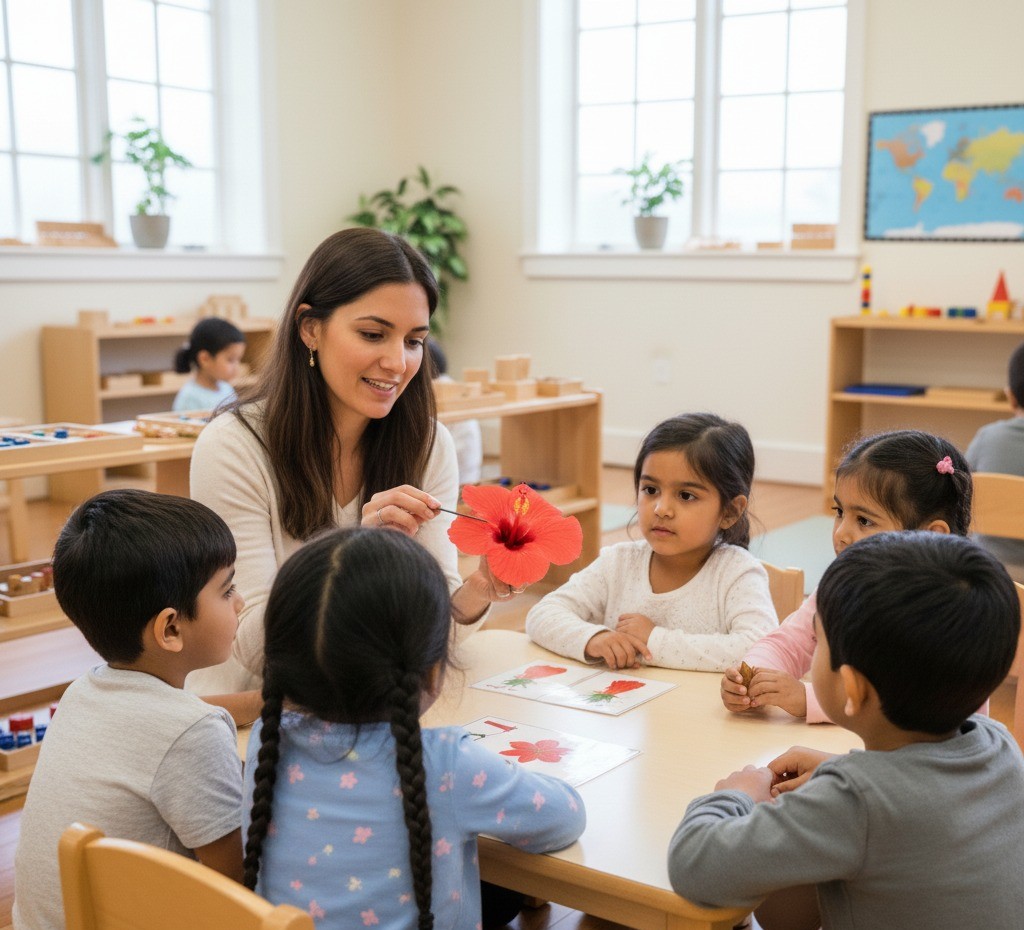
5. Cultural Studies: Citizens of the World.

This is where we spark a child’s wonder for the universe.


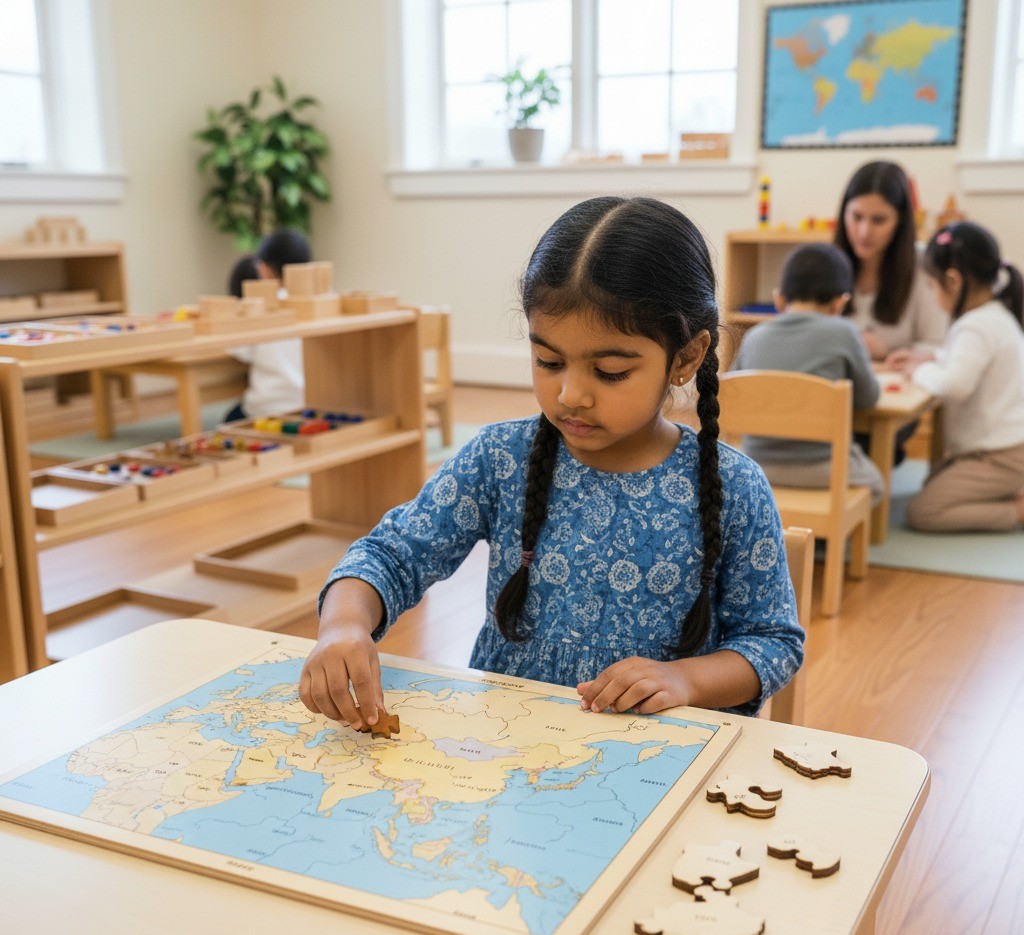
  • Geography: Using colorful puzzle maps, children learn the names and shapes of continents and countries, fostering a sense of global belonging.
  • Sciences: Botany and Zoology are explored through hands-on classification, gardening, and observing life cycles (like the butterfly or the frog).
  • Art & Music: Integrated daily, allowing children to express their internal world through various mediums and rhythms.